2025 Safer Communities Awards

The 2025 Safer Communities Awards ceremony took place on Thursday 27 November, hosted at Aberystwyth University by journalist and BBC broadcaster John-Paul Davies.

Nominations opened at the end of August and closed on Friday 3 October. There were 253 nominations for initiatives across 16 possible categories. Judging was conducted by a panel made up of four representatives from Welsh Government, Police Liaison Unit, Welsh Local Government Association and the Wales Safer Communities Network. The judges selected 34 awards, including 15 category winners, 11 highly commended category awards, 2 individual contribution awards, 1 team award and 2 partnership awards as well as 2 overall winners.

The award presentation ceremony was attended by over 120 people where awards were presented by Welsh Government Deputy Director Community Safety Mike Connolly and Dyfed-Powys Police & Crime Commissioner Dafydd Llywelyn. The overall winner awards were presented to Action for Children’s Sidestep Flintshire and Media Academy Cymru’s Positive Masculinity Initiative.


Categories and winners

Categories are listed alphabetically. Click the links below to go directly to a category.

Joint Overall Winners

The overall winners were chosen from all the nominations who had won an award. This year there were two overall winners who both scored highly so were jointly awarded. The winners were Sidestep Flintshire, Action for Children and Positive Masculinity Initiative, Media Academy Cymru.


Individual Contribution Award

This award recognises the contribution an individual has made to keeping communities safe, whether at a local or a national level. There were two awards presented to individuals whose work has cut across multiple areas.

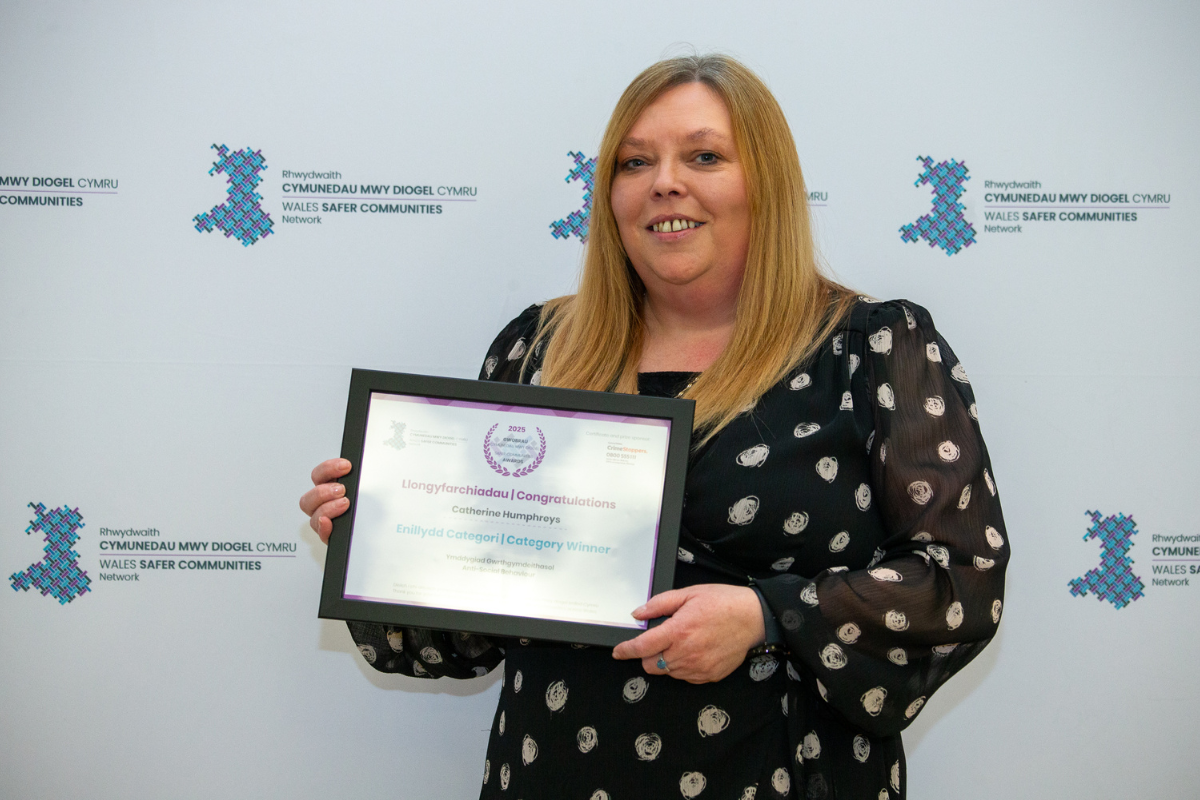
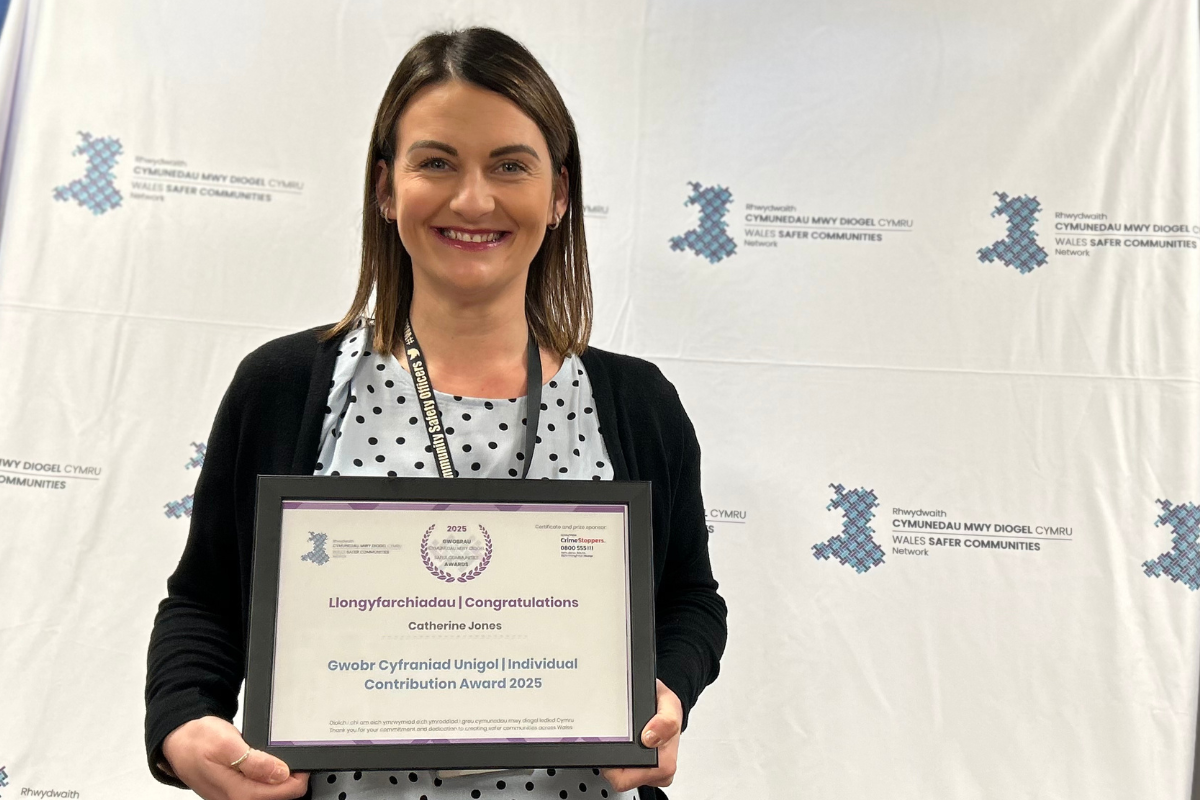
Catherine reinstated and led the All-Wales Anti-Social Behaviour (ASB) Network for over 10 years. She has been instrumental in shaping ASB practice across Wales and supported a network of over 70 practitioners to overcome barriers. Cath has been pivotal in driving a collaborative approach across Wales and between agencies. She has always been keen to focus on encouraging information sharing, and learning driven by experience and she used membership fees to provide valuable training to the group on topics such as tools and powers. Over her time as Chair, Catherine provided input to Home Office colleagues on the Youth Justice Blueprint, represented the views of members to Welsh Government to overcome barriers, and has supported Police Forces to develop their ASB policy in line with other areas to ensure a consistent approach across Wales. Cath has recently moved role, but the Safer Communities Network team has taken over ownership of the group and is continuing this work with the new Chairs to support ASB practitioners across Wales.
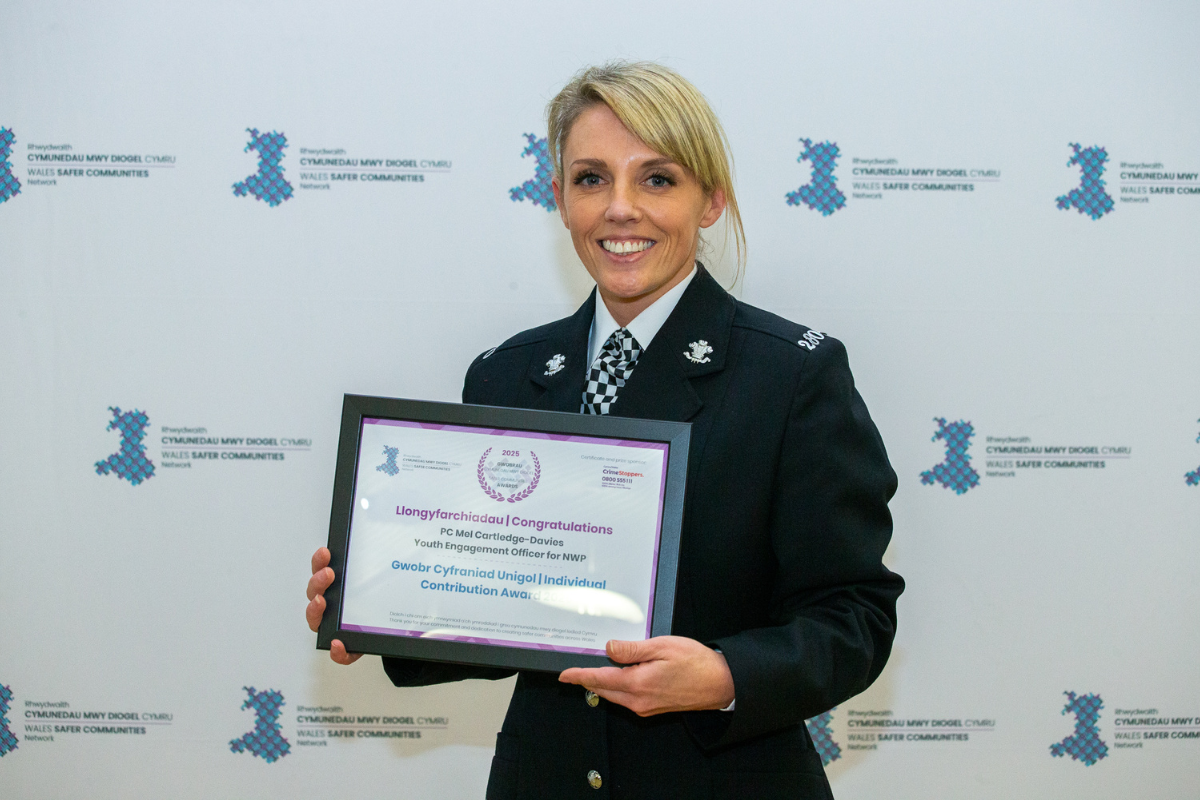
Mel’s role is to invest in young people and follow a child centred approach to engagement with young people. She has developed and embedded a Young Peoples Ambassador Group of 16-24-year-olds to advise North Wales Police on issues affecting young people in north Wales. Over the last 12 months, Mel has gained the trust of the group and listened to issues, working with the group to develop an approach to tackling issues. Lack of access to support and information pertinent to Mental Health was their number one issue. In North Wales during 2024, 58% of all missing persons were young people, with many citing mental health crisis as the impact factor. Mel enabled the group to mobilise their thoughts through group sessions, identifying the key messages they wanted to be delivered and facilitated production through partner agencies to deliver what they wanted to achieve. The outcomes of the project have been significant. Mel has brought together young people to become open and speak about their collective concerns. The production of the resource is an output of their collaboration with other organisations and created an understanding of what is currently available for young people.

Team Award

This awards the work of a single organisation team for the work they do on a project or initiative.

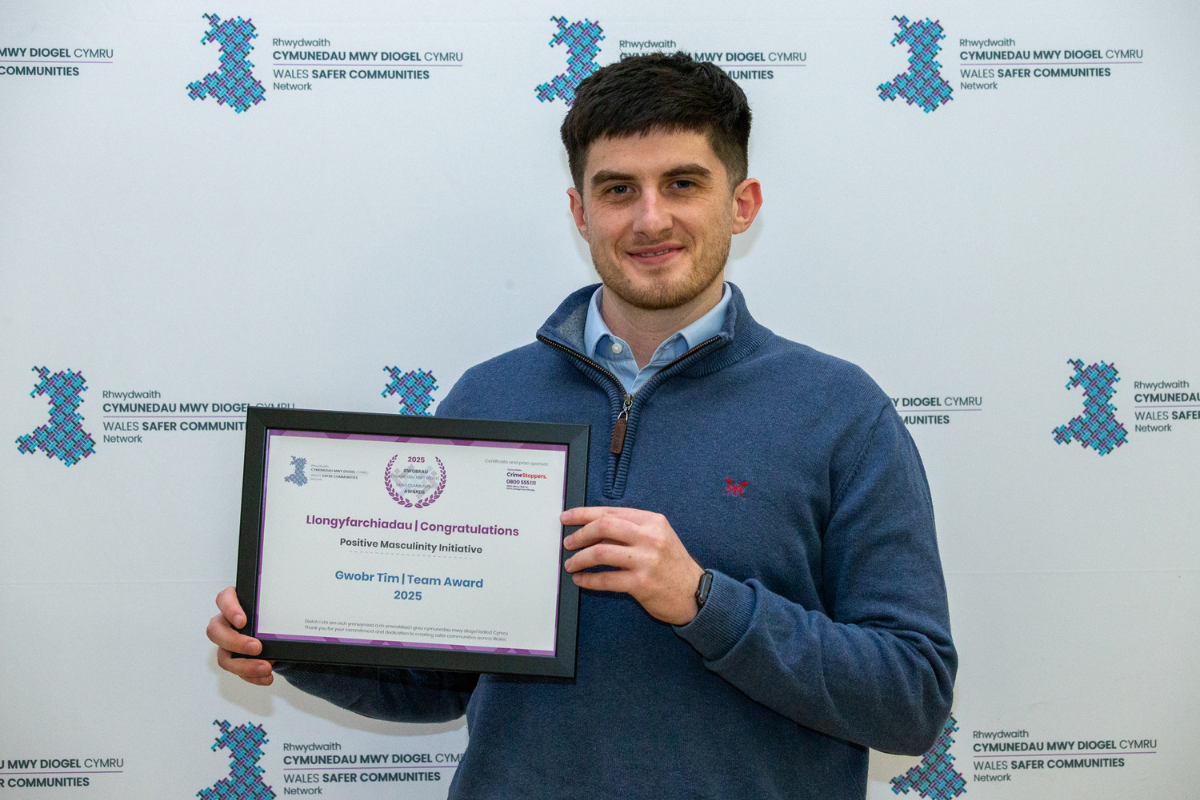
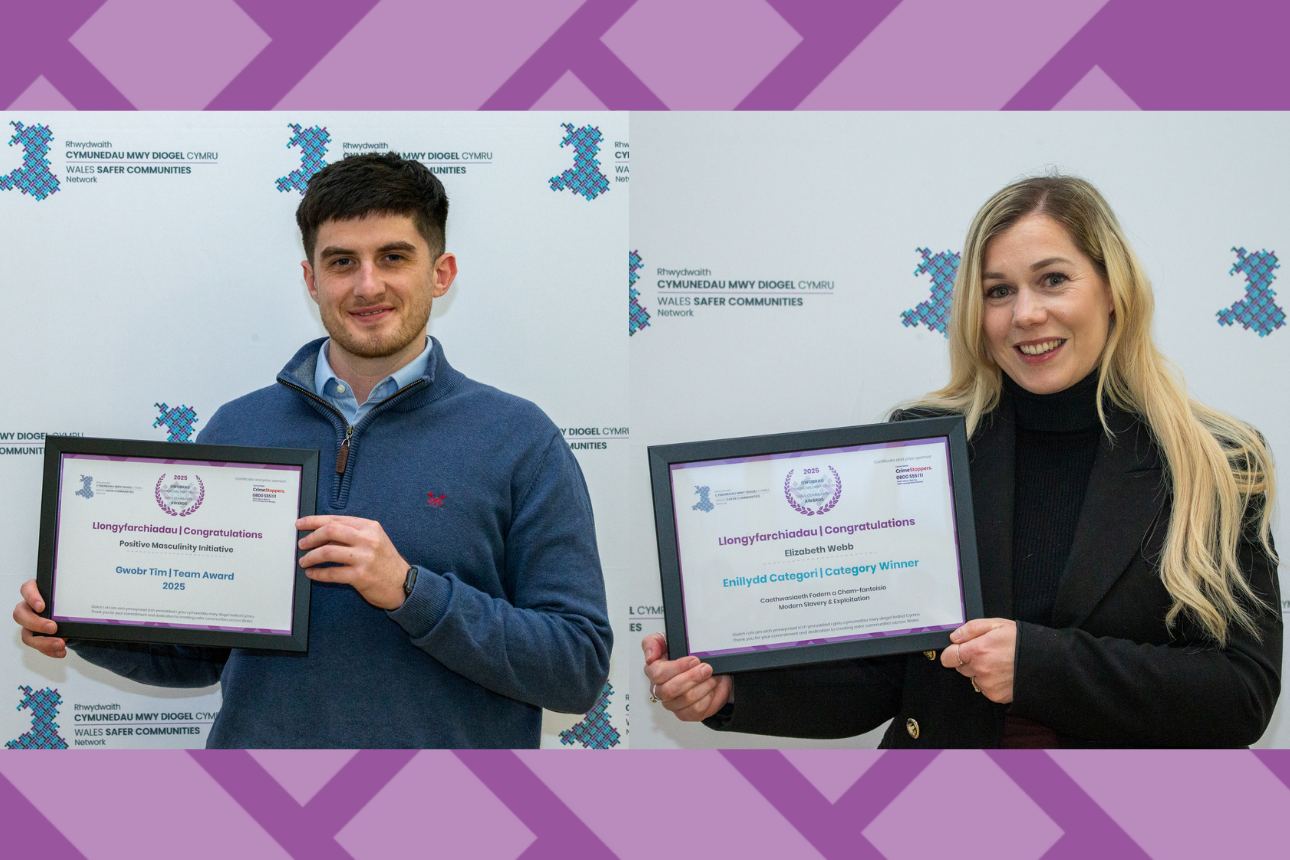
This initiative encompasses early intervention, prevention and community cohesion and is designed to challenge harmful stereotypes and provide young men with healthier, more constructive models of identity. The project recognises that boys and young men often face conflicting pressures around masculinity, which can contribute to poor mental health, violence, and exclusion. Through workshops, mentoring, and community partnerships, the initiative creates safe spaces where participants can explore resilience, empathy, respect, and emotional expression without stigma. It also equips them with practical tools to build positive relationships, improve wellbeing, and contribute meaningfully to their communities. What started off as a response to violent misogyny has developed into a programme that challenges racism, homophobia and, over the last 6 months, a wave of antisemitism. The Positive Masculinity Initiative has developed into a strong community cohesion response to violence and violent rhetoric which children and young people are often engulfed by, particularly online. At community level, the initiative has contributed to reductions in antisocial behaviour and strengthened cohesion by empowering young men to resist negative peer influence and act as positive role models. The result is safer, more inclusive environments where young people are better able to thrive.

Partnership Award

This award recognises partnership working which is a collaborative approach to finding solutions to challenges through multi-agency teams, with a shared vision. It involves having the right people around a shared table, bringing their different strengths, perspectives and resources and pooling those things for the benefit and best outcomes for the communities of Wales.

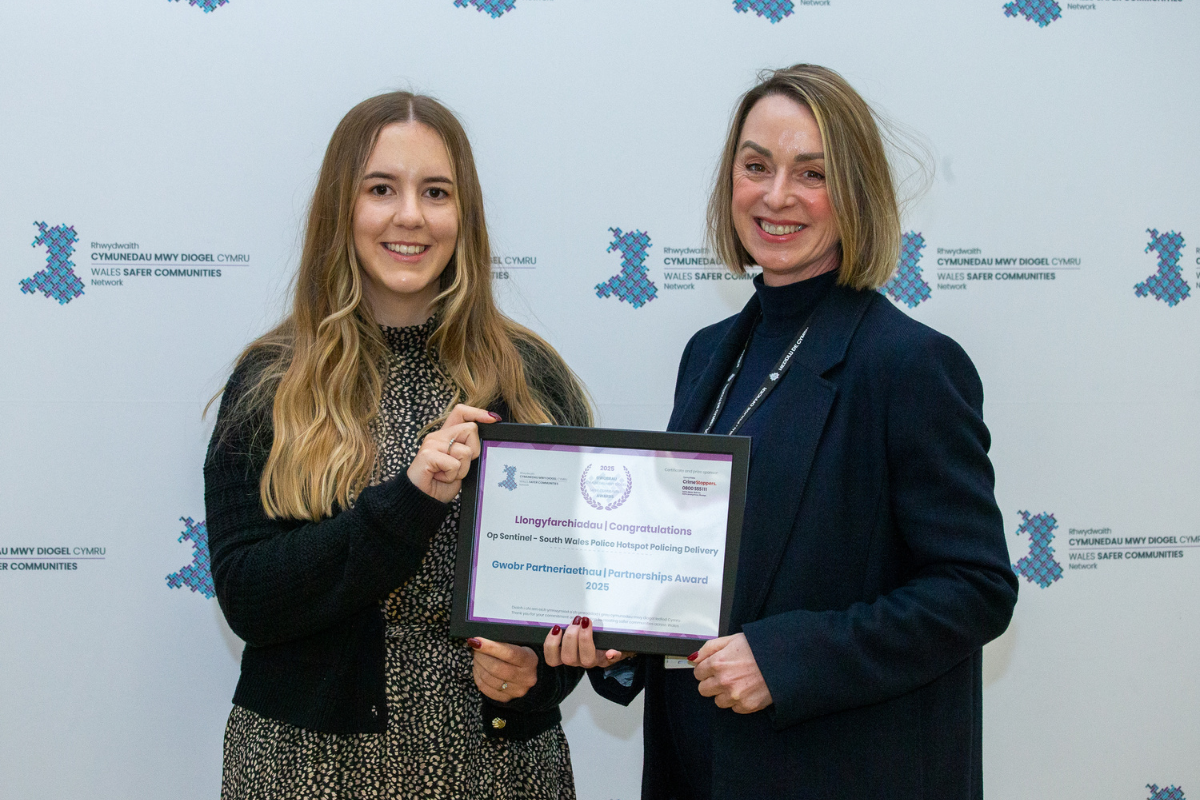
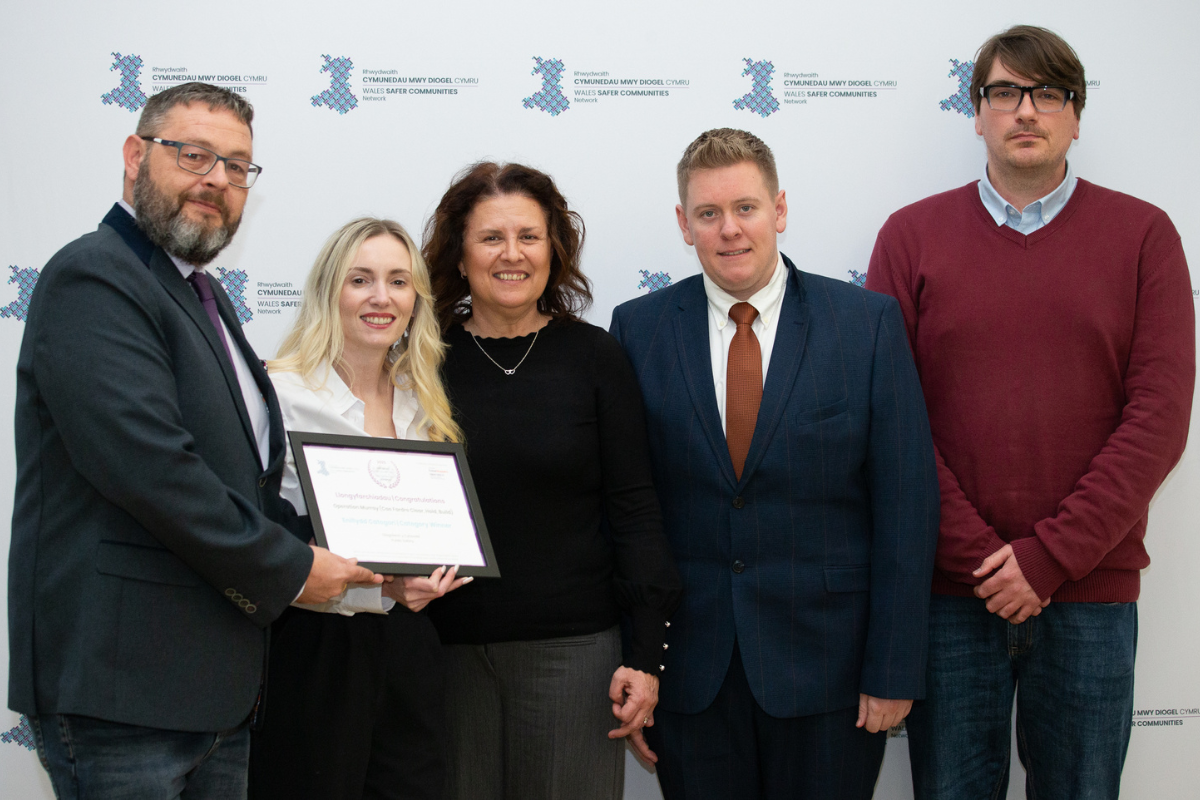
Operation Sentinel is South Wales Police’s hotspot policing programme, delivered through a collaborative team effort across policing, strategically coordinated by the South Wales Violence Prevention and Reduction Unit in collaboration with local authorities, and community safety partners. Its purpose is to suppress serious violence and antisocial behaviour in the most harm-intensive locations. The operation is designed to break cycles of harm by targeting the conditions that allow violence and antisocial behaviour to persist. The data-drive approach prevents escalation in three ways: Visible deterrence, Early intervention, and Sustainable problem solving. By combining these elements, Sentinel reduces the likelihood of recurring violence, prevents small scale issues escalating into serious harm, and strengthens resilience within communities. It is an approach that makes prevention tangible, delivering safer environments and longer-term reductions in demand.

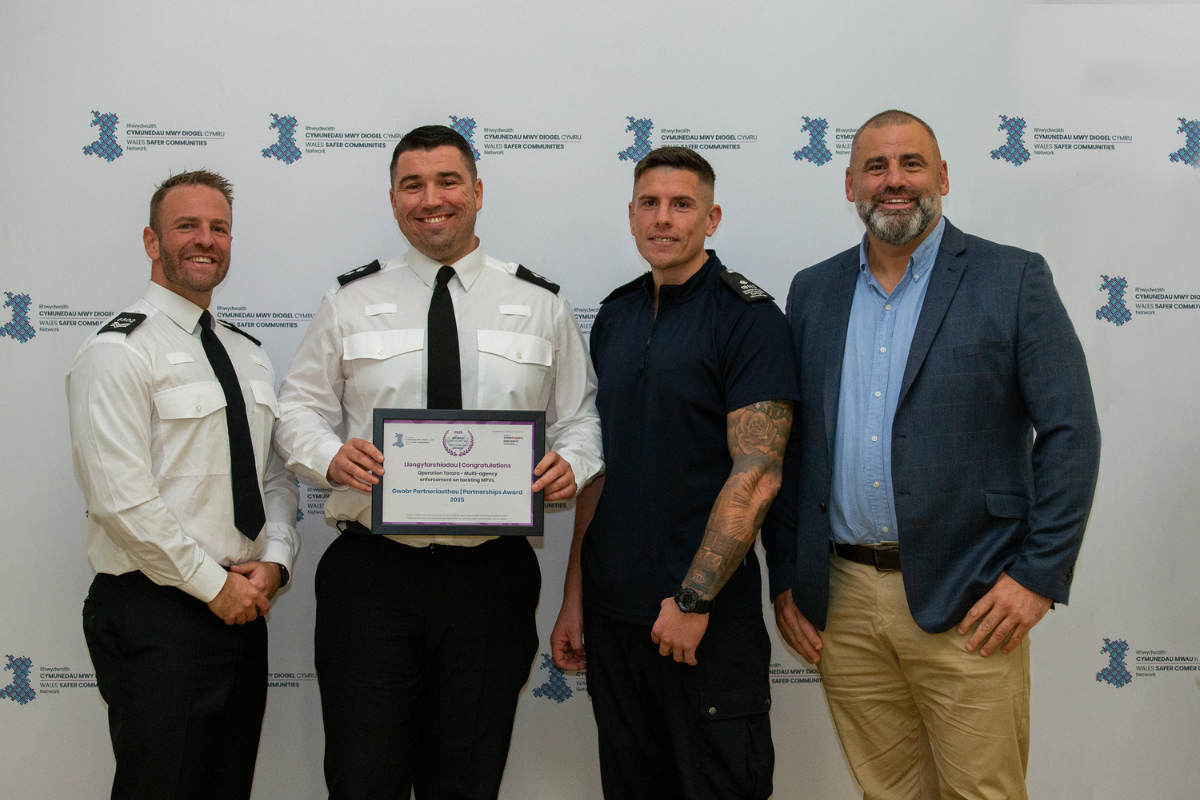
This initiative is a partnership between Cardiff Council, South Wales Police, and Immigration Compliance and Enforcement officers. Operation Totara demonstrates the effectiveness of targeted, intelligence-led multi-agency enforcement in addressing both ASB and broader criminality. This work highlighted the need for a flexible approach, and continuous improvement throughout the Operation maintained momentum. Clear communication with the community was vital – coverage on social media platforms and engagement with Wales Online made sure that the Operation was visible and built trust. This work has deterred the use of MPVs for drug related activity, possession of weapons and a reduction in illegal food delivery rider activity. By working together in harnessing multi-agency partners powers, it assisted in ensuring no loopholes were left unaddressed.

Anti-Social Behaviour

Anti-Social Behaviour (ASB) isn’t always dramatic or obvious. It can start small, feel insignificant, and even leave people questioning themselves. But over time, it can escalate, persist, and become deeply damaging. While not all ASB is a crime, its impact is real: it can cause anxiety and fear, and make individuals, families, and whole communities feel unsafe, sometimes even unable to leave their homes or enjoy local spaces.

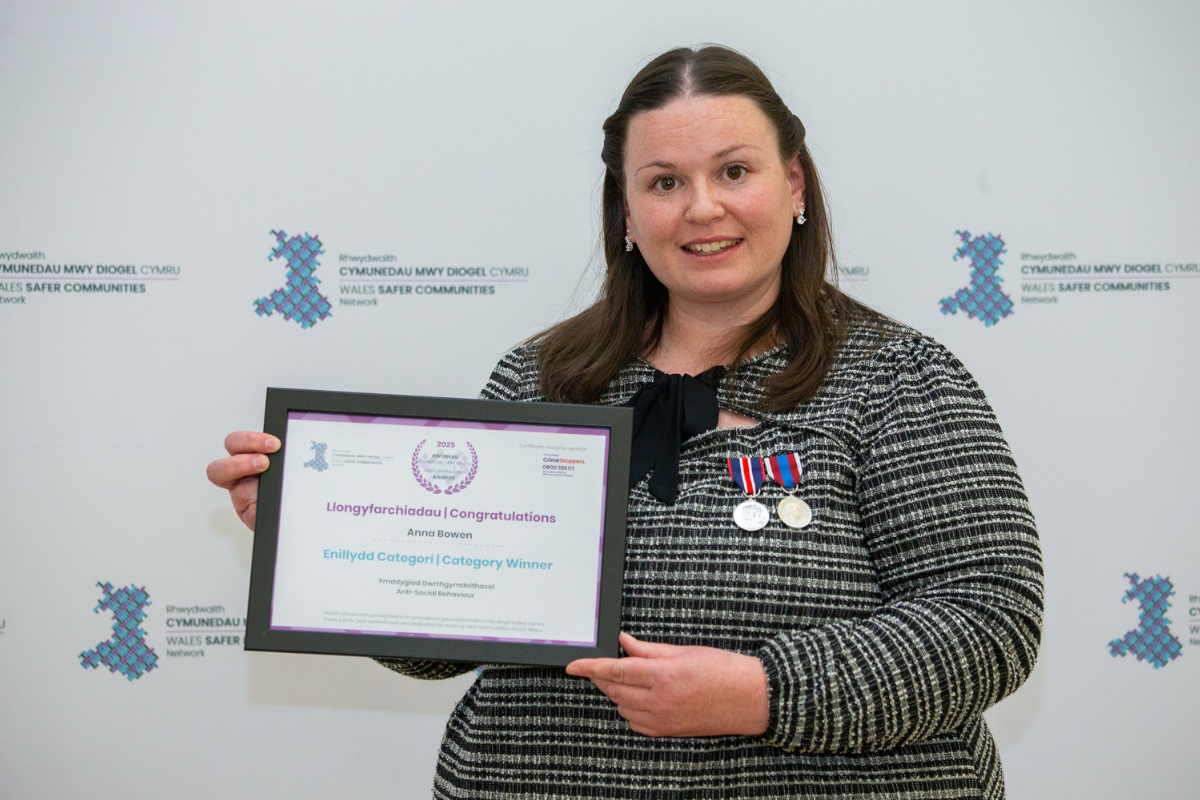
PCSO Anna Bowen played a pivotal role in tackling persistent anti-social behaviour and drug-related activity at a property in Knighton, Powys. Anna’s proactive interventions delivered a multi-layered response to significantly reduce the risk of future offending and harm. Utilising civil tools and powers, she disrupted the offending behaviour while also addressing safeguarding for vulnerable individuals. Her referrals into multi-agency problem solving meetings ensured that underlying issues such as substance misuse, possible exploitation, and mental health were addressed holistically. Her intervention disrupted persistent anti-social behaviour and drug-related activity at a property meaning the property was no longer a hotspot for criminal or nuisance behaviour. Anna’s work led to a measurable improvement in both community safety and quality of life for residents in the affected area.

In 2019, Cath volunteered to represent Dyfodol in a multi-agency group, going out into Pontypridd, in all weather, to identify people at risk of committing antisocial behaviour directly linked to substance use, homelessness, poor mental health, and other causal factors. She has played a key part in supporting hundreds of people to access Dyfodol and other community support services, preventing them from further substance use, homelessness, and from committing further offences that impact them and the wider community. Her work has helped build a bridge between services, the community, and the Police. Cath’s approach to ensuring support meets people where they are, opens up essential space for understanding and conversation, and challenges the status quo. This has since led to Cath supporting the development and implementation of Merthyr Police’s Prosiect y Palmant (The Pavement Project).

Operation Chudleigh was the Bridgend Community Safety Partnership response to drug related crime and anti-social behaviour within the town centre and surrounding wards during the Christmas period 2024. It was delivered by South Wales Police, Bridgend County Borough Council, Rhiw Shopping Centre, Valley 2 Coast Registered Social Landlord, Barod and Dyfodol. The increase in drug related ASB and criminality coincided with an increased use of crack cocaine by individuals who were already subjects of substance misuse. ASB was being committed whilst they were under the influence and when seeking means to fund their habit. Repeat shoplifting victims were identified and provided with relevant business crime prevention advice and the shopping centre now provides a safe space for employees, customers, visitors and the vulnerable right in middle of the town centre. ‘Don’t be a turkey this Christmas’ Christmas cards were sent to prolific offenders to discourage offending. A significant decrease in ASB was felt and seen with very few reports of unacceptable behaviours due to drug or alcohol misuse, making the town centre a place to be enjoyed.

Crime Prevention

Crime prevention is about taking proactive, evidence-based steps to reduce the risk of crime and its harmful impact, creating safer, stronger communities for everyone. By working collaboratively, using innovation, and engaging communities, these projects focus on stopping crime before it happens, making a real difference to people’s lives and help build trust and resilience in the community.

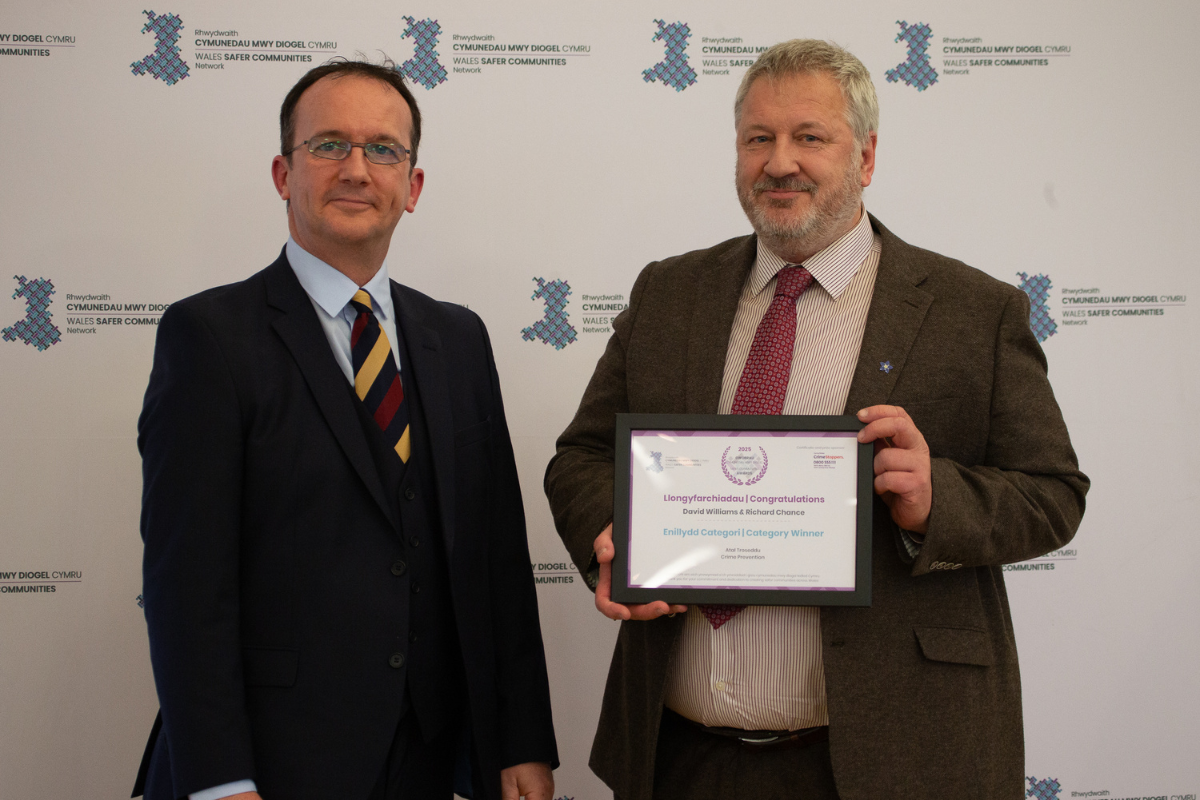
David is a Designing Out Crime Officer who is always looking at opportunities to use his expertise to innovate and challenge traditional thinking. Thefts from garden sheds in domestic settings is a problem that has been present for decades, including theft of bicycles. David has been researching this problem for years and working on how he could influence it. He worked with Richard Chance from local company Creu Menter who, following discussions with the Secured By Design development team, went on to design and manufacture the first garden shed in the UK to be independently tested and certified to a recognised security standard. National guidance has since been amended to make this the benchmark standard across the UK. In Wales, this will include every house built by or for a Housing Association or Local Authority providing a garden shed to this certification.

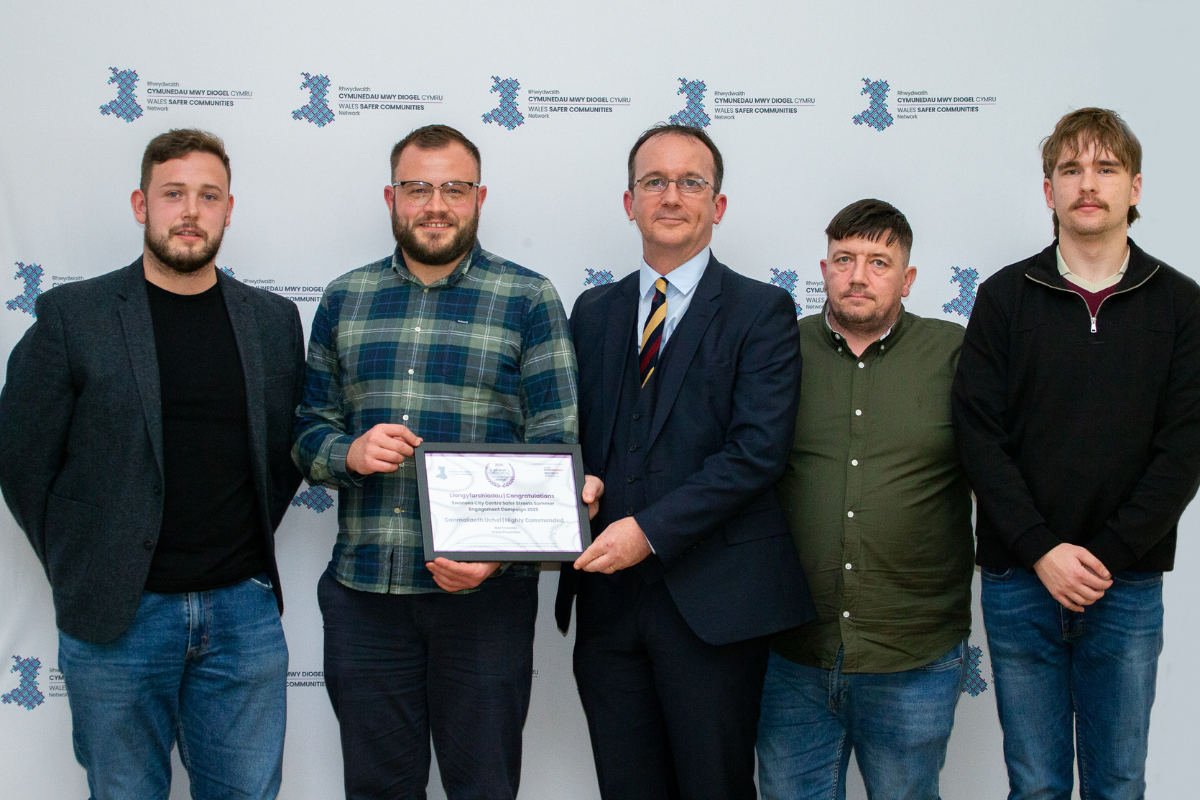
The project, led by Swansea Council, brought together more than 60 partner organisations to tackle ASB risks in the city centre during the busy school holiday period. By working from a central hub, agencies including police, health, youth services, and advocacy groups were able to intervene early, build trust, and offer direct support. This proactive, multi-agency approach helped to reduce opportunities for ASB and improved perceptions of safety in the city centre. The campaign also used real-time data collection to track participation and adapt activities, ensuring inclusivity and maximum relevance. Families reported greater awareness of services, young people engaged positively rather than drifting into ASB, and communities expressed greater confidence in city centre safety. Police and partners also reported that the campaign supported ongoing efforts to reduce ASB during the high-risk summer period.

Early Intervention

Early intervention seeks to address the issues raised in a concern, to deal with the situation an individual faces by looking at the root causes and aims to prevent problems from developing in later life.

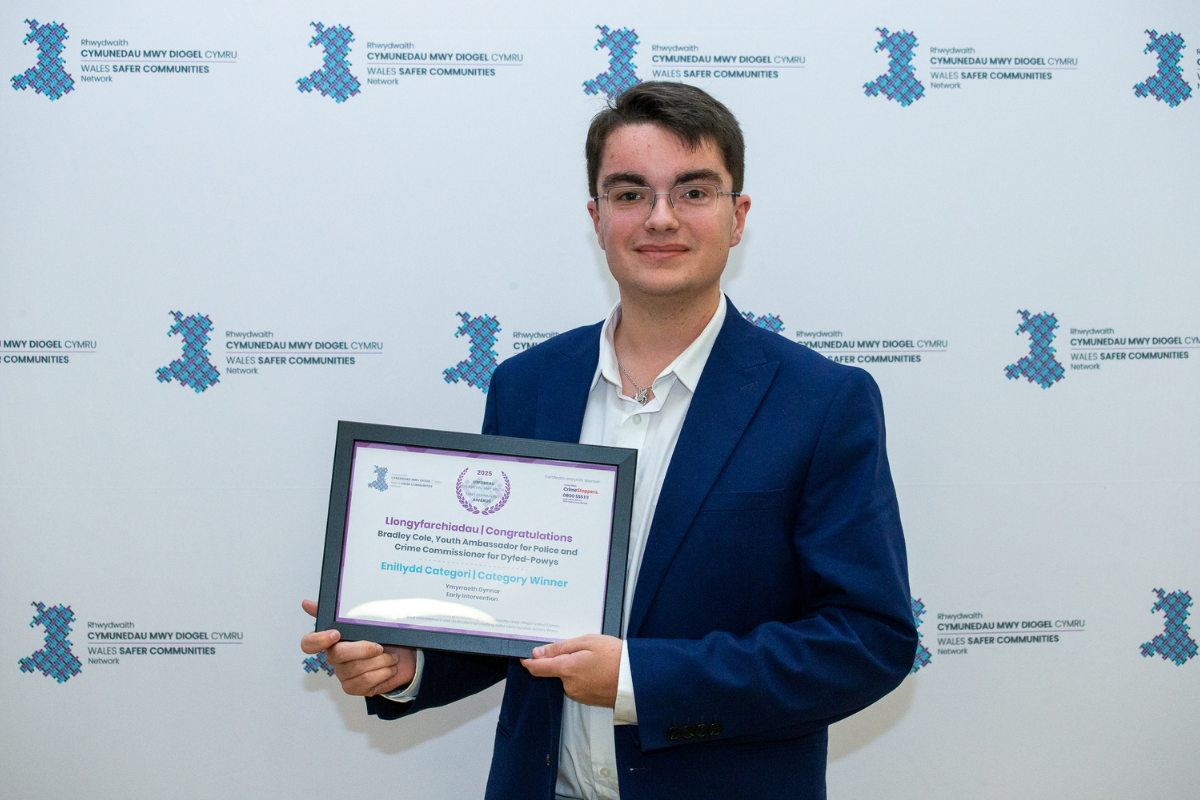
Bradley joined the Office of the Police and Crime Commissioner for Dyfed-Powys as a Youth Ambassador 3 years ago as a 16-year-old from Pembrokeshire College. Over the past year, he has taken on numerous leadership roles, including hosting the Police and Crime Commissioner at his Further Education college and leading a Q&A session with the Learner Executive Group. He also played a vital role in organising a Youth Open Day at Police Headquarters and supported engagement efforts at summer events to gather the views of young people on policing and crime. His leadership in consultations and community events ensures that young people’s concerns and lived experiences are shared directly with decision-makers. This feedback helps shape policing approaches to be more inclusive, preventative, and youth-focused. Bradley’s work plays a vital role in preventing the recurrence and escalation of community safety issues by building trust, promoting dialogue, and ensuring young people feel heard and included in policing. By acting as a bridge between the Commissioner, Police and his peers, he helps to break down barriers and challenge negative perceptions that can lead to mistrust, disengagement, or conflict.

A Community of Concern Task and Finish Group was established following the tragic death by suicide of a young man in Gwent, whose wide social connections raised concerns about community impact. This led to “Tackling Mental Health Together”, a six-month initiative targeting men in the rugby community, delivered by 4Minds and Tidy Butt, with support from ex international rugby player Rhys Thomas. The project included place-based mental health awareness sessions, Suicide First Aid training and counselling support. It demonstrated leadership, compassion, and innovation in addressing suicide prevention and postvention in a community setting, providing evidence to help design future rapid response protocols. Despite significant challenges, including limited time and financial resources, the project flourished under the leadership of 4Minds’ Sheree Williams. The initiative has left a meaningful legacy in Gwent by embedding mental health support within the fabric of rugby culture. Its success has provided a blueprint for wider rollout across other male focused groups, ensuring that the impact continues to grow, not just as a response to tragedy, but as a proactive, sustainable model for community led mental health support.

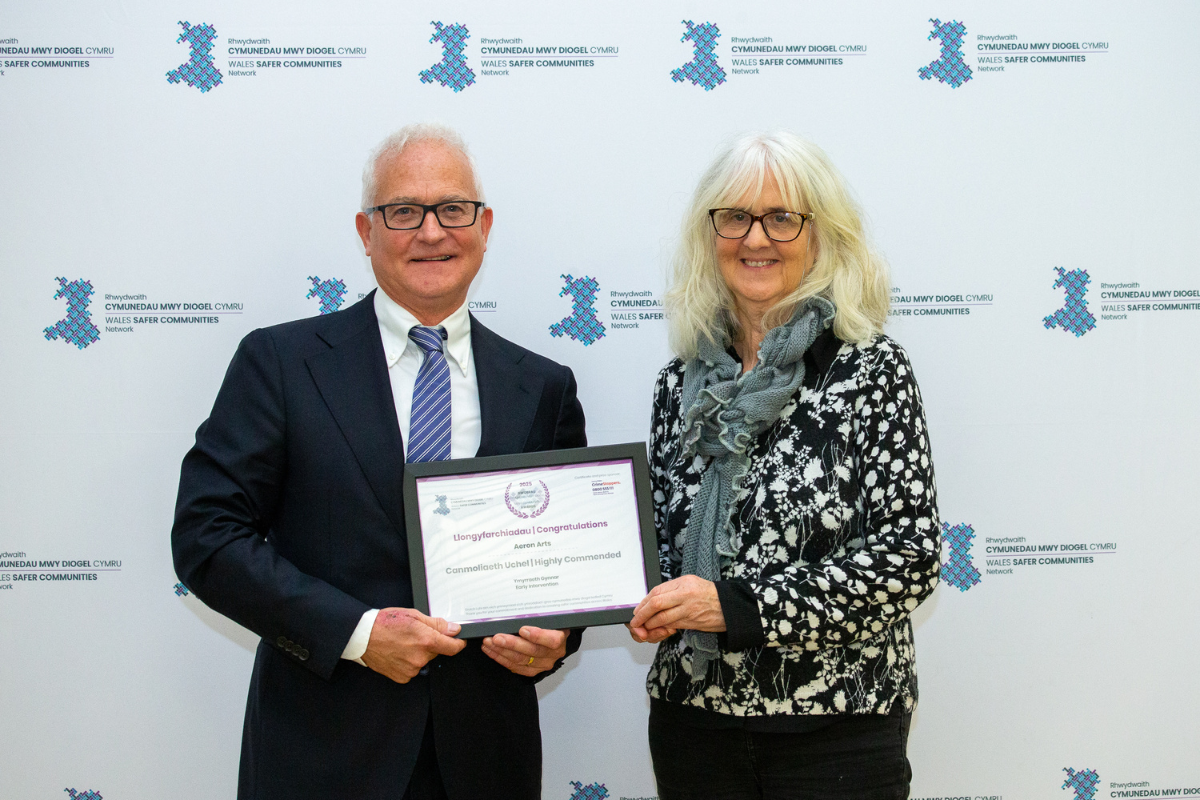
Aeron Arts provide free music and creative arts workshops for 11-to-17-year-olds in rural Ceredigion. They specifically target those most vulnerable or at-risk. The creative arts sessions provide them with a protective environment to explore issues of importance such as race, gender, sexuality and power. The sessions are delivered in a recognised safe place for young people and engage with local community police enabling attendees to develop positive relationships with those in authority. One of the main drivers for establishing Aeron Arts was a rise of youth anti-social behaviour. Aeron Arts play a key role in preventing youth violence by providing positive creative outlets as a credible alternative option to criminal activity. The police have reported a significant decrease in youth ASB reports and both local councillors and secondary education endorse this as a positive pathway to deter young people away from crime.

This is a youth-led project run by Greenhill School in Tenby and Pembrokeshire Youth Service. It stemmed from a girls’ group, named the ‘You Should Know’ project, and a subsequent boys group ‘His Path, His Journey’. The project has been running for three years, and it raises awareness of important issues throughout the school and local communities. The groups have tackled hard hitting topics such as gender-based violence, substance misuse and the impact this can have on family and friends, gender equality and men’s mental health. They have collaborated with national organisations, young people have provided inputs at national events, and they have hosted their own events, where recently, they heard directly from a survivor of domestic abuse. Youth project members have developed a Sexual Harassment Toolkit, in partnership with Ei Llais Cymru, Her Voice Wales, which they aim to distribute across all schools in Wales.

Equalities, Inclusion and Cohesion

Recent events have highlighted the need for cohesive communities. The promotion of equity, tackling isolation and marginalisation is integral to building safer communities for all. Local cohesion may be undermined where some groups have different experiences or outcomes to others, so it is important that everyone recognises their responsibility to address these issues and works in partnership to foster good relations across and between communities, to prevent extremism and tackle hate crime.

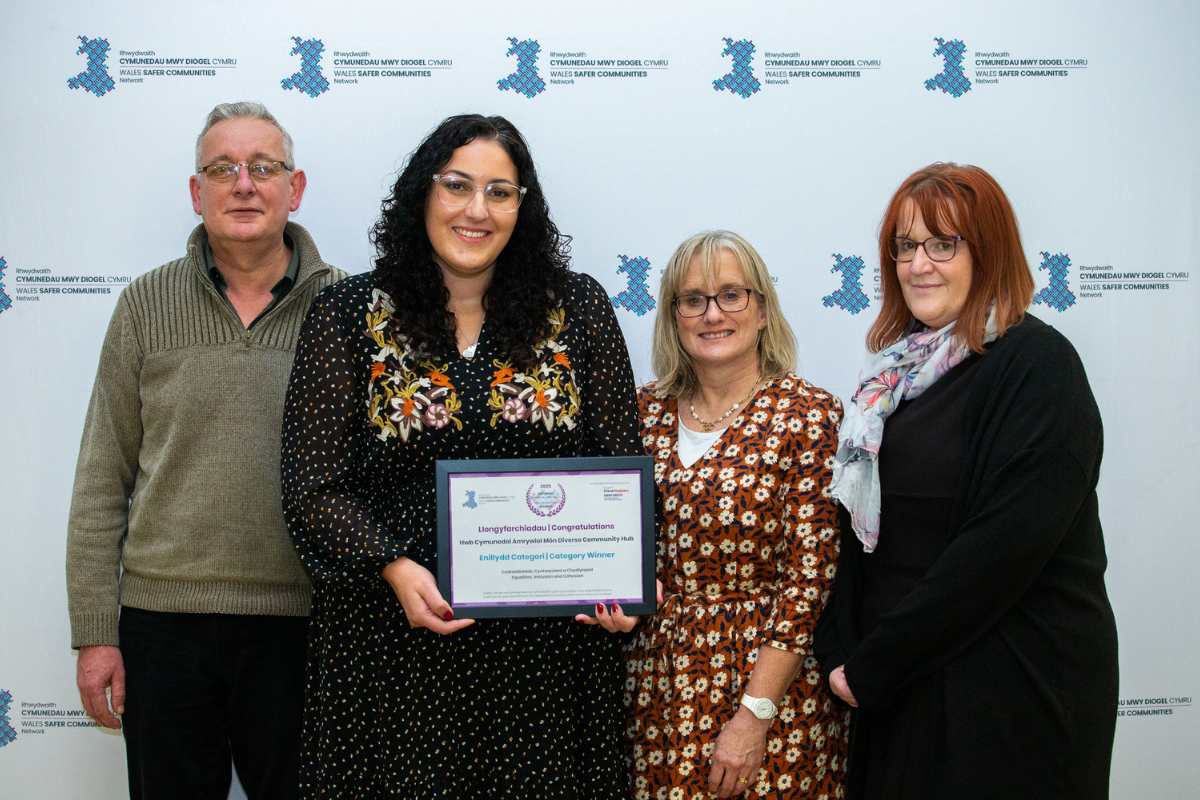
Amrywiol Môn Diverse is a community hub supporting integration, wellbeing, and safety for diverse communities on Anglesey. The hub promotes safety and wellbeing through multi-agency collaboration and integrates creative and cultural engagement with public services. It provides a welcoming space for Afghan, Ukrainian, and Syrian asylum seekers and other residents to connect, learn, and grow. The hub fosters trust, collaboration, and empowerment through partnerships with local services and volunteers. It provides a regular event for members of the community to drop in, some arranging to travel together to and from the Hub. Many families would feel isolated without the Hub, especially those who have no support networks and find it particularly difficult to navigate living in a different country. The hub allows people to meet and to share their stories which assists with pushing back against misinformation on asylum and refugee schemes with other members of the local community. The Hub has increased trust in local services, improved mental and physical wellbeing, and enhanced community participation.

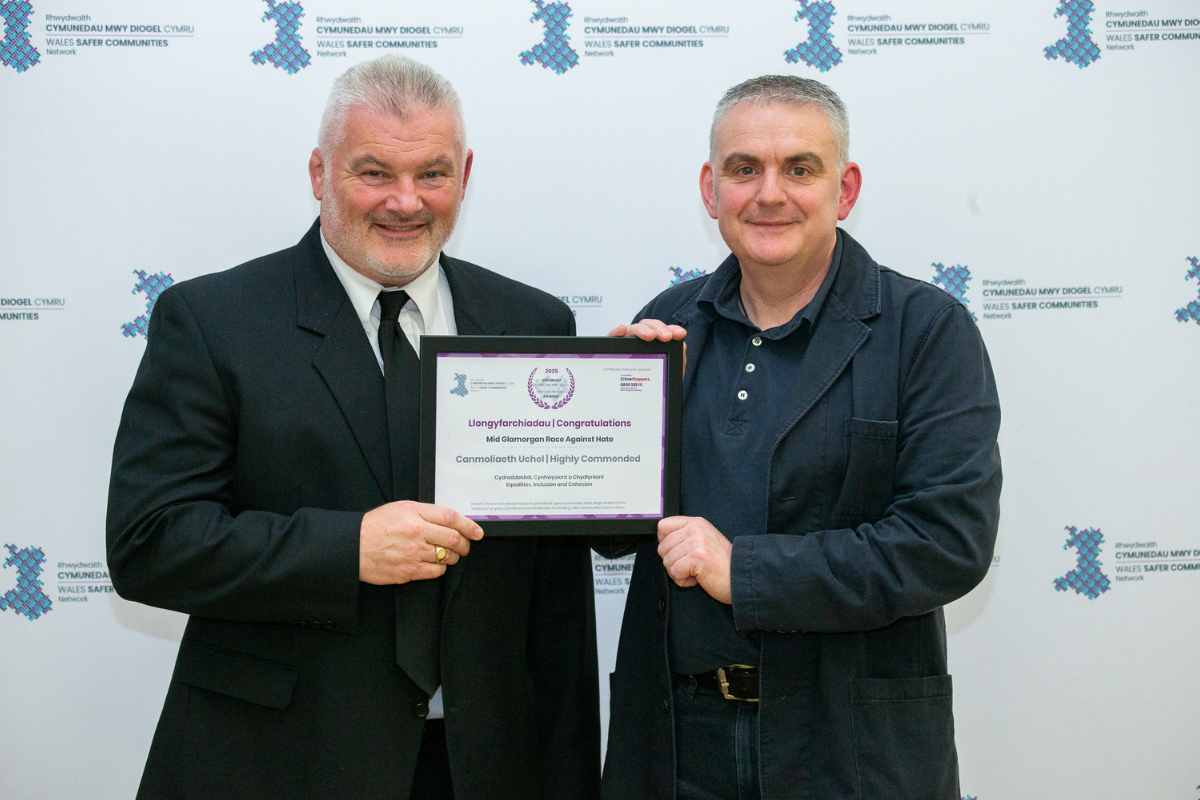
This initiative was held at a time where there was growing tension and unrest in the UK following events of summer 2024. The aim was to bring people together in a series of races which looked to educate and raise awareness around the treatment of everyone in our community, regardless of their characteristics and background. Schools were enthusiastic to take part and 100 Primary Schools from across Merthyr and Rhondda Cynon Taf were invited, with over 1,000 children attending. A short film was produced featuring celebrities and athletes which was shown during school assemblies across all local primary schools in the lead-up to the event, reaching an estimated 25,000 children. Several celebrities who featured in the film also attended the event, and it received regional media coverage. In the period following the event, hate related crimes and incidents within the Merthyr and Rhondda Cynon Taf areas have decreased by 14%.

Governance

Effective governance is the cornerstone of efficient public services and ensuring clear frameworks, policies and procedures. Good governance structures promote inclusivity, encourage participation and representative decision making, as well as being the foundation for achieving long-term success and maintain public confidence. This category acknowledges the important role that good governance plays in effective partnership working and delivering services to communities across Wales.
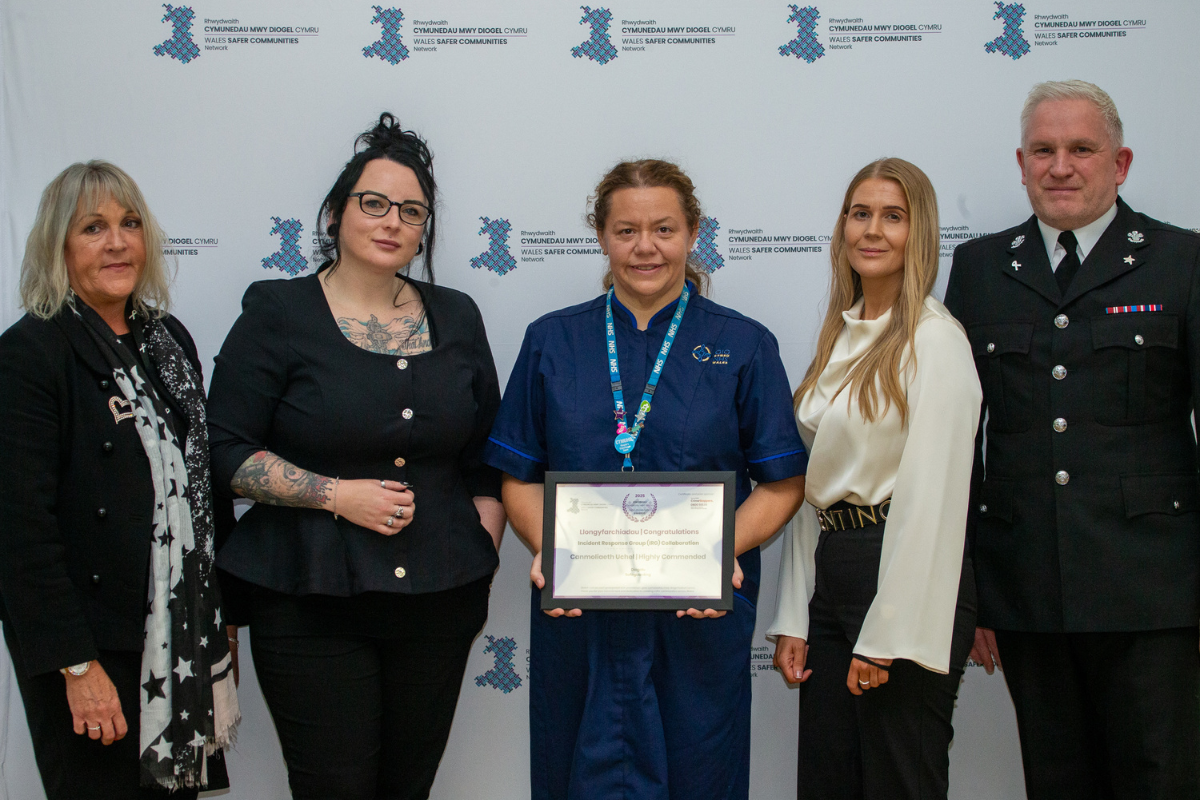
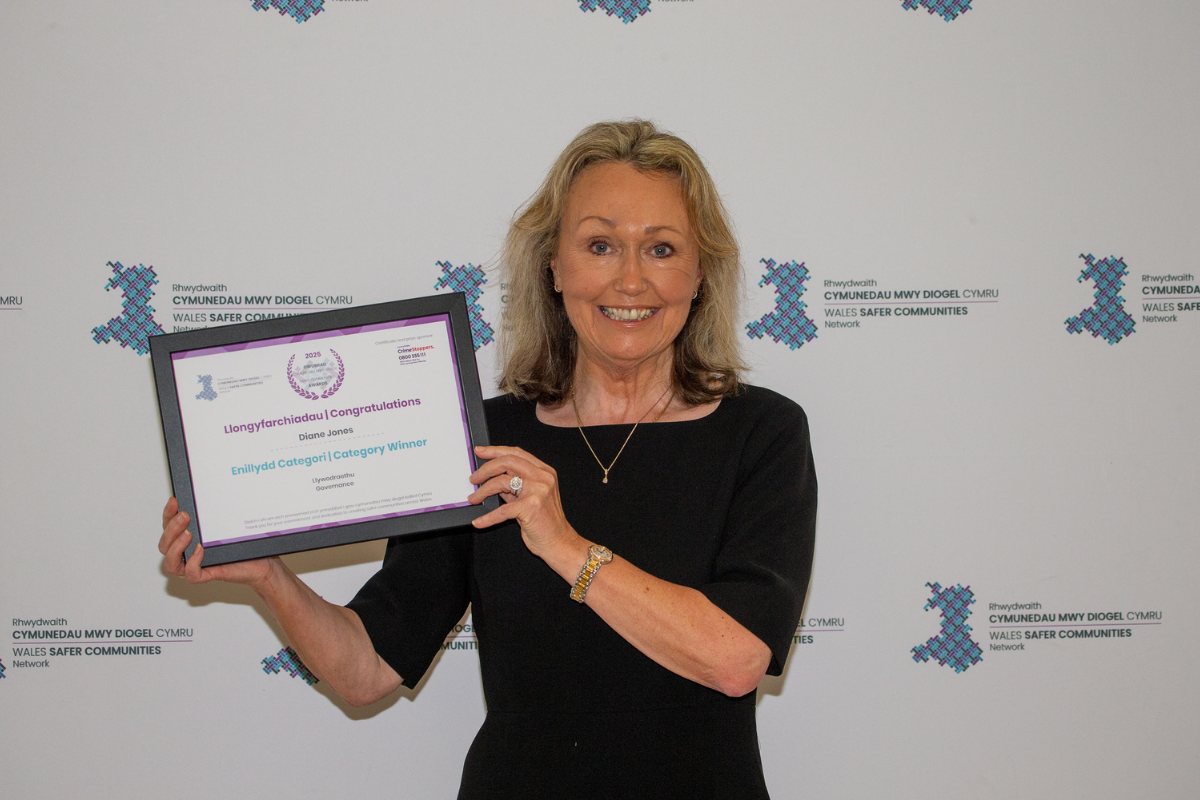
Diane has provided leadership for the North Wales Without Violence Partnership and has embedded and integrated the Serious Violence Duty across the region to reduce serious violence. The outcome of her work is a cohesive partnership approach consisting of fully committed partner agencies across the whole region. Partners have fully bought in to the principles of the Serious Violence Duty, and this is in no small part due to Diane’s personal commitment and dedication to the programme. Diane’s passion, determination and skill in raising the profile of the work in North Wales has led to additional funding being secured and has also seen the region being invited to participate in the Home Office Young Futures Prevention Partnership Panels, one of only three non-Violence-Reduction-Units to be invited to do so. The Home Office has also highlighted the progress made in North Wales in a case study demonstrating best practice.

Modern Slavery & Exploitation

Modern slavery is the illegal exploitation of people for personal or commercial gain. It covers a wide range of abuse and exploitation including sexual exploitation, domestic servitude, forced labour, criminal exploitation and organ harvesting. The Home Office has described modern slavery as “a serious and brutal crime in which people are treated as commodities and exploited for criminal gain”.

The Sidestep Flintshire project has been designed to evidence and deliver targeted interventions that address the complex needs of children and young people at risk of criminal exploitation. The project’s trauma-informed, person-centred model is measurably improving lives and strengthening community resilience and has delivered significant, measurable improvements in the lives of vulnerable young people and the wider Flintshire community. Sidestep has achieved strong outcomes in getting young people back into education or training, reduced substance misuse concerns and missing episodes, and improved family stability.

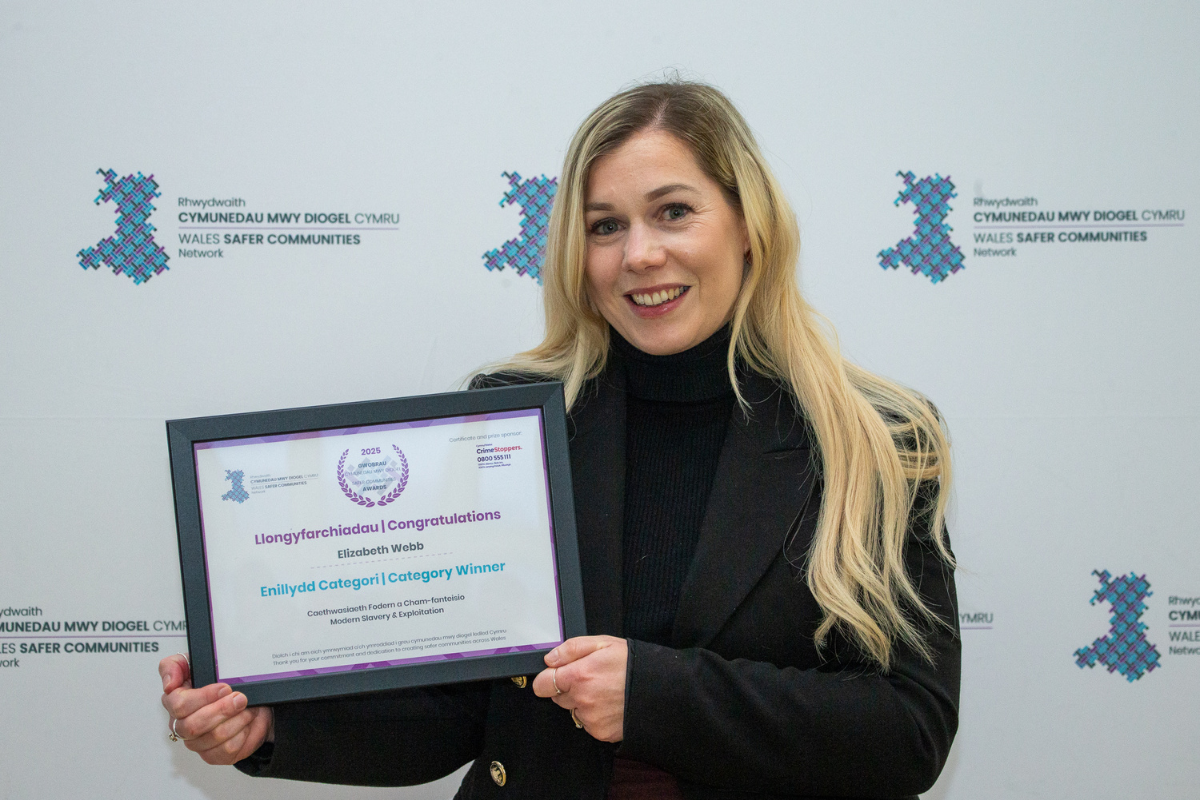
The judges were also impressed by Elizabeth’s contribution to the project. Elizabeth, or Libby, has worked tirelessly to champion the service need for children and young people and has been responsible for her team delivering a high-quality service to children, with a strong child first approach. The service Libby manages is not short-term. It is committed to children where they have need, and Libby really advocates and shapes this. Not only does she provide one-to-one support at such a crucial and critical time, but she also engages the children on positive pathways. She has created a holistic overall service impacting on all levels of the public health model, at primary, secondary, and tertiary prevention. This prepares the child for a positive future and includes diversion away from criminality.

Offending and Justice

Offending and Justice brings in the Criminal Justice system alongside the management of offenders in general.

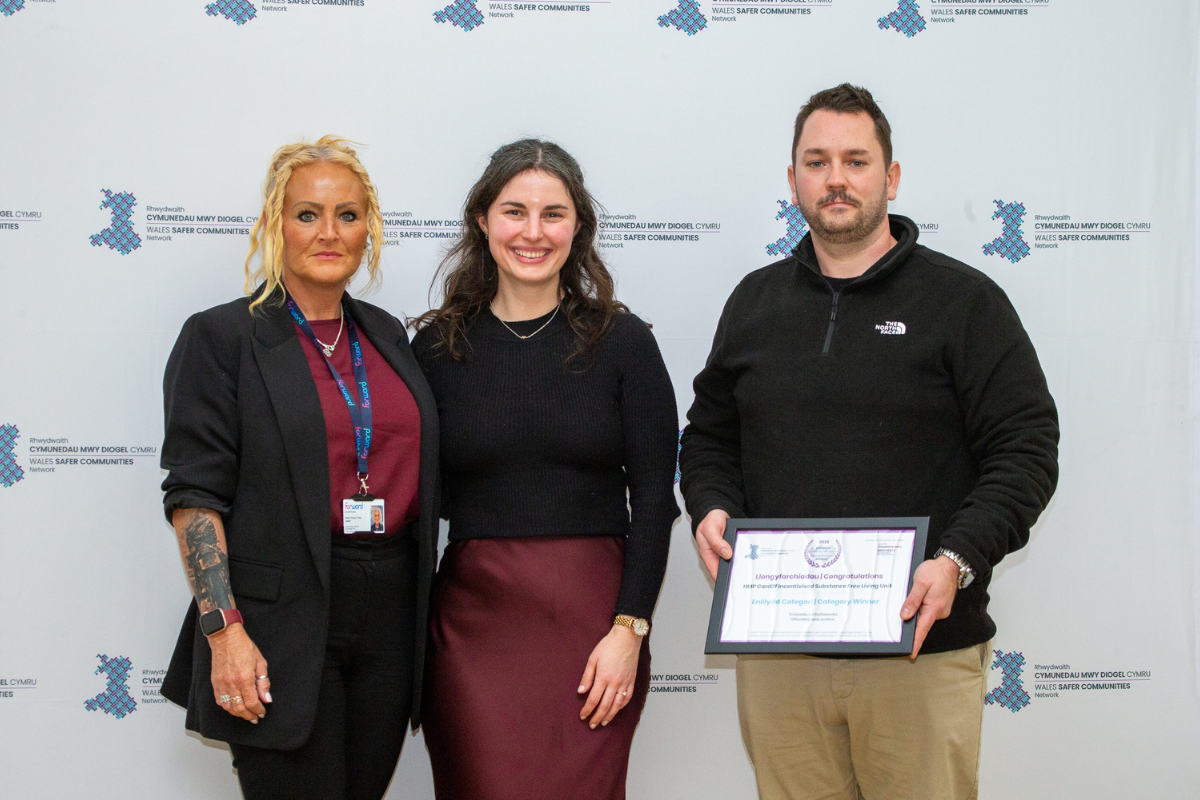
The Unit encourages substance free living and recovery, helping men to transition with new skills into the community. It provides a supportive community for men affected by drug and alcohol misuse, offering a safe space to connect with others who share similar experiences and to work together towards recovery, including utilising outside partners with lived experience. The programs offered have prevented men from taking illicit substances, because the men have had an opportunity to address the underlying causes of addiction and built knowledge to help them understanding environmental changes. Men are now encouraged to take ownership of their environment, through regular peer forums and collaborative decision making, which contributes to better relationships and support, leading to them reconnecting with their family and friends and involving them in their positive recovery journeys.

Organised Crime

Organised Crime is a significant and established national security threat and includes: smuggling and distribution of drugs and guns; sexual abuse of children through trafficking; cross-border trafficking and smuggling of people; exploitation of individuals; industrial-scale frauds; ransomware attacks; and the laundering of dirty money. All cause harm to victims, individuals and communities.

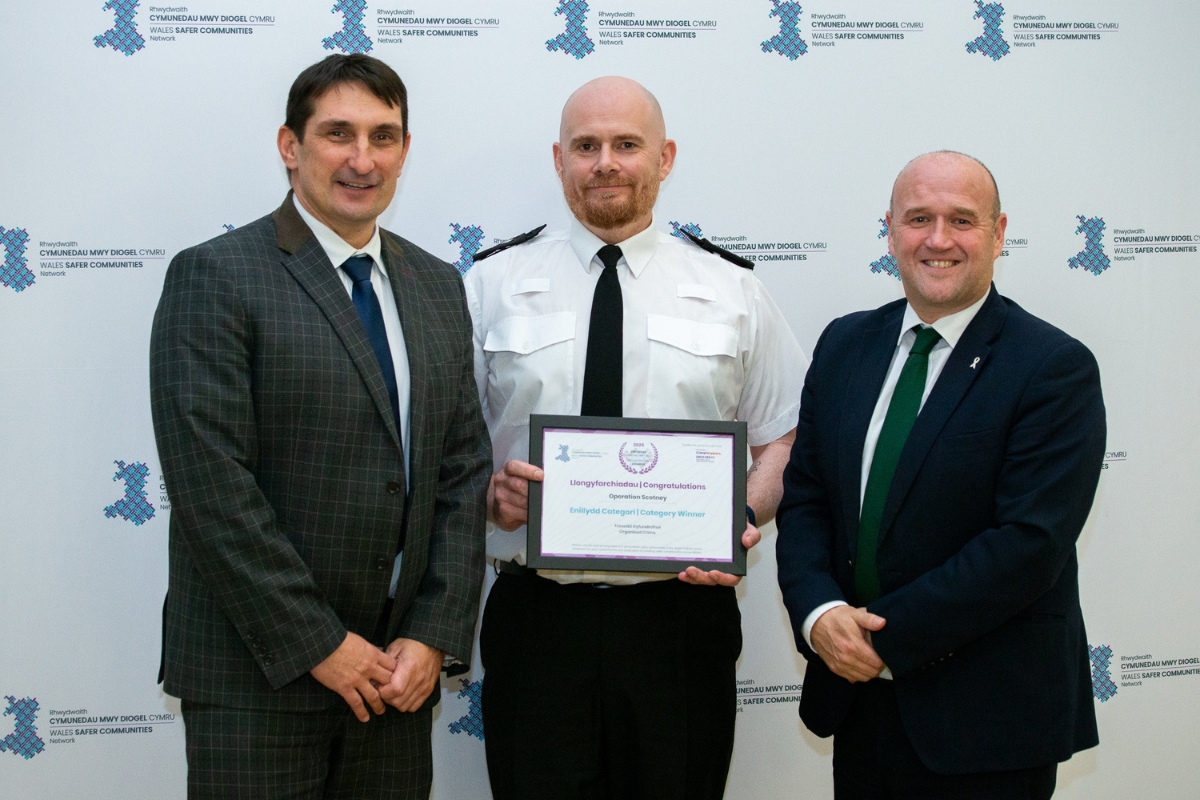
With the Dyfed-Powys area having one of the lowest crime rates of England and Wales, Organised Crime Groups have viewed the area as a business opportunity to exploit. This operation encourages cross departmental working with Neighbourhood policing and the Serious Organised Crime Team to obtain active intelligence relating to Organised Crime Groups. Operation Scotney is the response to the increasing number of cannabis factories being established and the associated behaviour and crimes. Raising awareness with the community and key stakeholders and providing easy to read guides for ‘spotting the signs’ of cultivation, enabled the force to build a rich intelligence picture and rapidly execute warrants. Scotney has proven to be the Force’s widest and most successful drugs operation to date, with cannabis seizures worth £17.8 million in street value. Additionally, tonnes of commercial equipment such as large-scale heating appliances and lighting have been seized and destroyed.

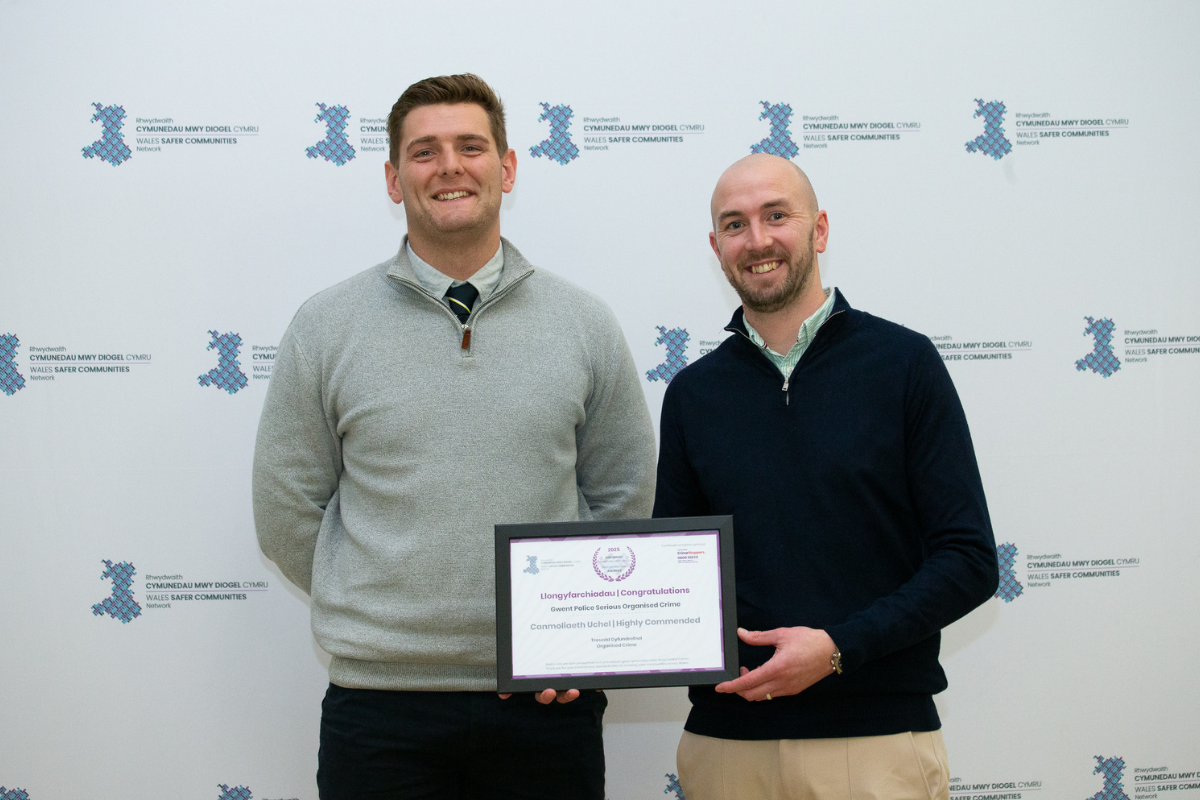
Due to a Gwent Police restructure two teams have amalgamated into one to represent the Force in identifying, tackling organised crime throughout the Gwent area. The team recognise, disrupt and dismantle serious organised crime groups. They also work with partners and community teams to build relationships, safeguard the vulnerable and reassure communities that they are listened to, and the issues they face are being addressed. The team have disrupted an organised crime group distributing Class A drugs – heroin and crack cocaine – from Birmingham into Gwent and another with county lines being run from the Lambeth area of London into Gwent. They worked collaboratively using the expertise of dedicated County Lines task forces from the Metropolitan Police.

Public Safety

Public Safety includes Fire Safety, Arson, Road Safety, Home and Outdoor Safety as well as other initiatives keeping people safe from harm.

This is a partnership between South-Wales Police, Trivallis Housing Association and Rhondda Cynon Taff Local Authority to tackle historical issues of crime, drugs, and anti-social behaviour on the estate. The estate had been a persistent hotspot and a challenging location, and applying the Clear, Hold, Build framework for the first time in Wales at such a location was a groundbreaking endeavour for the service. The response included Improvements to the estate design, increased surveillance, better engagement with residents and partners, with improved enforcement and a greater emphasis on collaboration. There has been a focus on long term sustainable solutions that improve the quality of life for estate residents and continued regular stakeholder meetings to ensure that any new priorities that come to light are addressed promptly. Both the statistics and resident survey feedback show the success of the operation and these results have been sustained for a significant amount of time.

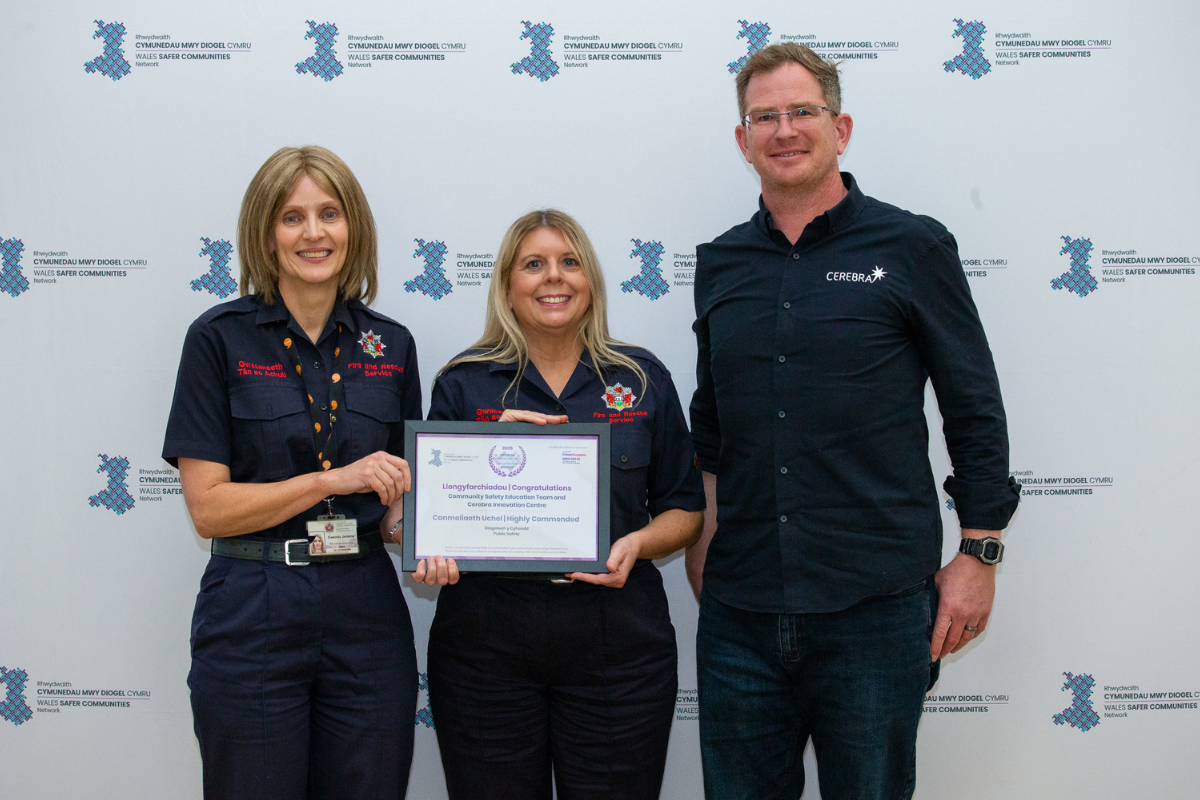
Together they have designed bespoke resources to support neurodiverse learners and those with specific and complex Additional Learning Needs. Some children and young people have a fascination with fire and do not fully appreciate its dangers. Developing sensory fire safety resources, in addition to the traditional delivery methods, ensure that all children have access to fire safety messages in a way they can understand. The Fire Safety Sensory boards they have developed can be used in a range of settings including mainstream schools, specialist teaching facilities and special schools and they are part of structured learning that allows sensory exploration whilst developing an awareness of key fire safety messages. The sensory boards include a radio, fire alarm, and elements of the PPE fire kit. Pupils have engaged in a way that they could not engage with PowerPoint delivery or traditional lesson plans.

Operation Cupseed was a partnership between South Wales Police, Cwm Taff Morgannwg Public Health Team, Rhondda Cynon Taf County Borough Council, Barod and Cwm Taf Youth Justice Service. The operation was a problem-solving plan in response to police, local authority and public health service concerns about young people becoming ill having used vapes that contained THC and cannabis oil on school premises. They found that there was a lack of awareness in relation to illegal vapes and THC, and there were significant educational gaps around vaping. The response included outreach workshops, in-school education programmes, and online resources for young people and parents. There have been no reported incidents in the area of school children being taken ill following the use of vapes since the implementation of this partnership engagement.

Safeguarding

Safeguarding is about protecting people, children and adults, from all forms of harm and abuse.

The Chwarae Dy Ran or Play Your Part Campaign is a partnership between Cwm Taf Morgannwg Safeguarding Board and the NSPCC. This multi-agency campaign was developed with the shared aim of providing resources, support and advice for parents and carers, local communities, children and young people and professionals to help raise awareness of how to protect children and report concerns. The campaign focussed on challenging unhealthy norms, promoting respectful relationships, and empowering boys to reflect on masculinity and allyship. The campaign was delivered through a range of mediums including community workshops, “Listen Up, Speak Up” sessions, information resources and partnership with education to support the “It’s Not Love” play within local schools. Due to the success of this campaign, further discussions have taken place between the NSPCC and Welsh Government to launch a Pan-Wales campaign which reflects this model.

The Incident Response Group was a collaboration between South Wales Police, Cwm Taf Morgannwg University Health board, 2wish Cymru, and Eye to Eye Trauma Response Team. This partnership responded to a fatal road traffic collision on 11 December 2023, involving six young men. The Group was formed to provide coordinated trauma support to families, survivors, witnesses, and professionals affected by the tragedy and marked a significant shift in trauma-informed care. The multi-agency approach identified safeguarding concerns early, triggering referrals to crisis teams and ensuring vulnerable individuals received urgent care. Data-driven insights shaped the response: 113 individuals were referred, 224 contacts were made, and 32 received further counselling. Families have since become ambassadors, choir members, and fundraisers — a testament to the healing power of compassionate, coordinated care.

Serious Violence

Serious Violence includes homicide, knife crime, and gun crime and areas of criminality where serious violence or its threat is inherent.

Led by Cardiff Council, the team highlighted an inconsistent approach taken to tackling violence in schools. So, they proactively developed guidance for all schools and educational settings to handle situations where a young person is found in possession of a weapon, whether deliberately or not. It also provides information on the legal requirements around these events. As a result, there is a multi-agency approach involving Education, Police, Children’s Services, Youth Services and the Youth Justice Service to support the school or educational setting in identifying suitable early interventions to disrupt the current behaviour patterns and influence positive change. This work has been presented to Welsh Government and is seen as best practice, where they are now looking to establish a Pan Wales version.

This partnership encompasses the 6 Northern Local Authorities, North Wales Police and Commissioner’s office, North Wales Fire and Rescue, Betsi Cadwaladr Health Board, Youth Offending teams, HMPPS, Education, third sector, Wales VPU and Welsh Government. Operating as a non-violence-reduction-unit area, this collective has been instrumental in embedding and integrating the Serious Violence Duty to reduce serious violence across the region. The partnership has delivered a comprehensive programme of work that has provided a clear blueprint for change. The progress made to date is not only significant but transformative, establishing a cohesive network of support that has enhanced the collective ability to prevent violence and build more resilient communities. This work represents a strategic shift from simply reacting to crime to proactively tackling the root causes.

Violence Against Women, Domestic Abuse and Sexual Violence (VAWDASV)

VAWDASV incorporates Violence Against Women and Girls, Domestic Abuse, Rape and Sexual Violence, Sexual Harassment, Female Genital Mutilation, Honour based violence, Forced Marriage, Stalking, Trafficking and other forms of violence. All genders can be victims and perpetrators of Domestic Abuse and Sexual Violence.

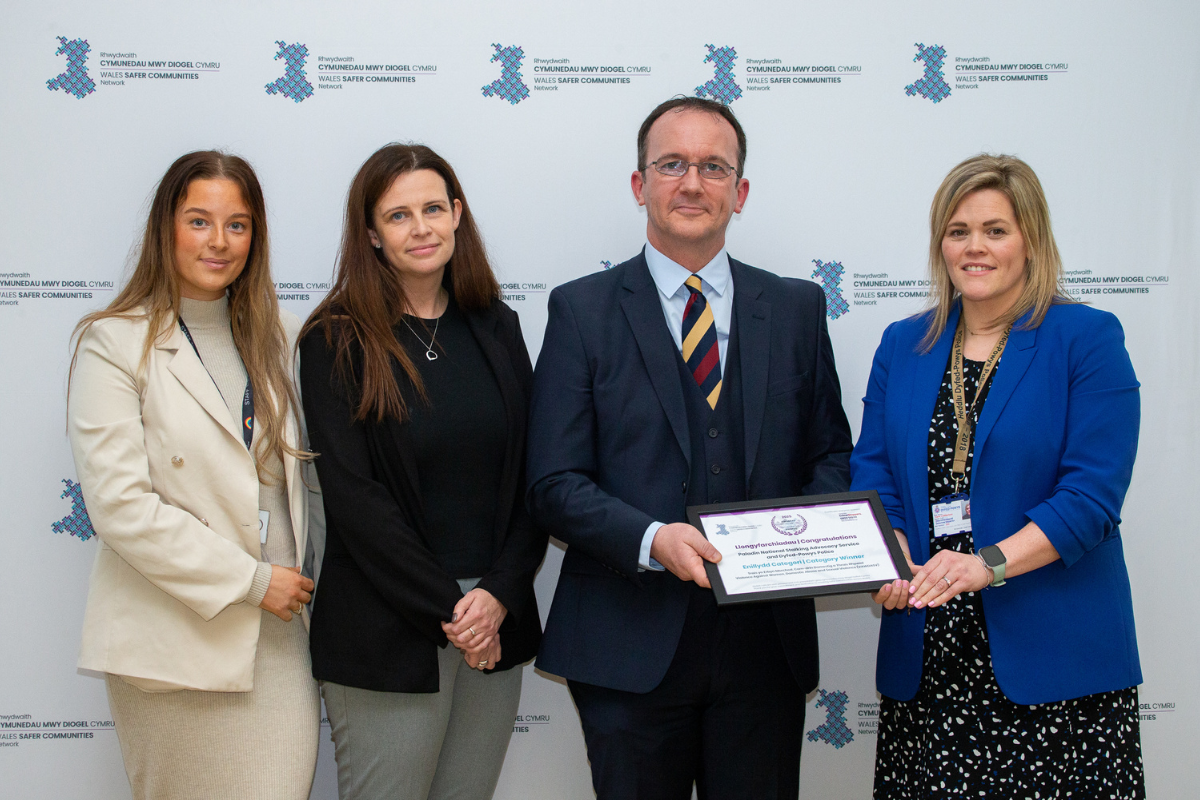
Paladin has recruited Independent Stalking Caseworker Advocates, dedicated to the delivery of a specialist support service across the Dyfed-Powys area, who work directly with stalking victims, supporting them through their trauma and any subsequent legal proceedings. They utilise partnership working to ensure victims of the complex crime of stalking receive the specialist support they require, which was not in place in this area prior to the implementation of this service. Paladin delivers extensive training sessions to both police officers and domestic abuse service providers to give them a greater understanding of stalking behaviours. This has directly led to an increase in referrals from service providers and enhanced knowledge in the force, including with legal service team members who are responsible for Stalking Protection Orders.

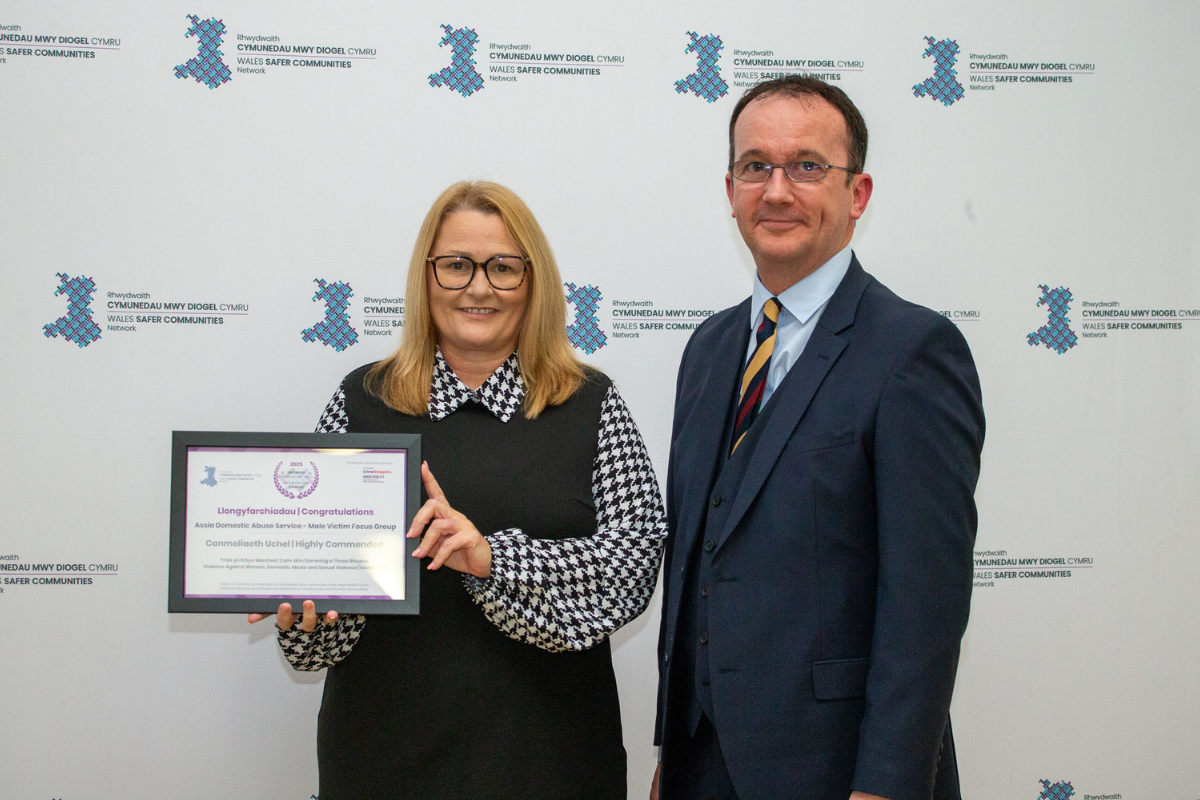
The focus group works with men who have been victims of domestic abuse, who previously were unlikely to engage with the service. The group has been established as a safe space for male victims to share their experiences of abuse knowing they will be believed and not judged and have support from their peers. The co-productive element of the group, with the men picking what they want to focus on or receive advice on is at the heart of everything. This group and the ongoing support have given those attending the confidence to report abuse and ongoing incidents to the Police, and other partners to prevent further escalation. The entry also highlighted the work of Sara Matthews in particular. Her passion and commitment to advocate for the male victims she works with is critical to the group’s success.