

At this year’s Safer Communities Conference, we shone a spotlight on our 2025 Wales Safer Communities Awards overall winners. One of the winners was Media Academy Cymru’s Positive Masculinity initiative. The initiative is designed to challenge harmful stereotypes and provide young men with healthier, more constructive models of identity. Here we’ll dive into how the project works with young people and helps to change the mindsets of young people into healthier responses.
The project recognises that boys and young men often face conflicting pressures around masculinity, which can contribute to poor mental health, violence, and exclusion. Through workshops, mentoring, and community partnerships, the initiative creates safe spaces where participants can explore resilience, empathy, respect, and emotional expression without stigma. It also equips them with practical tools to build positive relationships, improve wellbeing, and contribute meaningfully to their communities. A core purpose of the work is prevention—tackling root causes of toxic behaviours before they escalate, and instead promoting pathways that lead to education, employment, and active citizenship.
By working collaboratively with schools, youth justice services, and local organisations, the project extends its reach and ensures that the message of positive masculinity is embedded across multiple settings. What started off as a response to violent misogyny has developed to a programme that challenges racism, homophobia and over the last 6 months a wave of antisemitism. The Positive Masculinity initiative has developed to be a strong community cohesion response to violence and violent rhetoric which CYP are often engulfed by, particularly online.
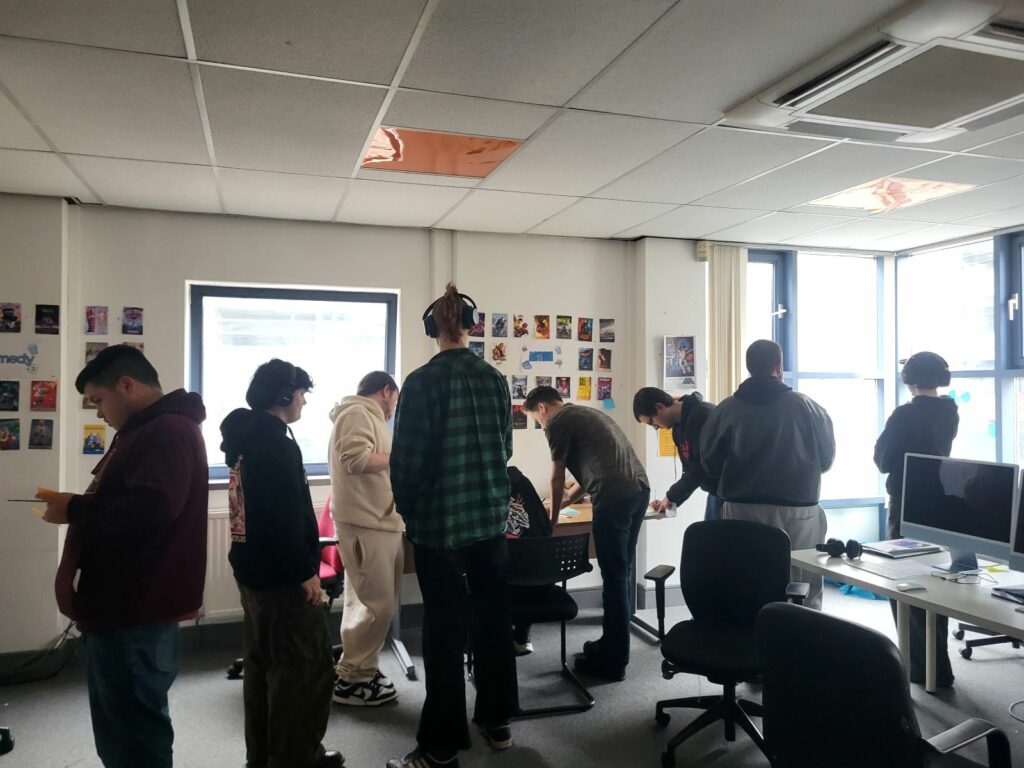
The programme is delivered through a structured series of mandatory core sessions that guide young people through a progressive journey of awareness, reflection, and personal growth. It begins by helping participants understand what harmful behaviour looks like, where it comes from, and how it affects both others and themselves. It moves into a focused exploration of the powerful influence of social media and gaming, including online role models, algorithms, and the culture of gaming spaces that can sometimes reinforce hate or negativity.
The programme then builds awareness of identity and inclusion through sessions on LGBTQ+ respect, challenging stereotypes, discrimination, and homophobia or transphobia, alongside age-appropriate discussions about the effects of pornography, including unrealistic expectations, consent, relationships, and body image. Young people are also supported to reflect on the influence of peer groups, exploring pressure, loyalty, boundaries, and how to make positive and independent choices, while further sessions challenge stereotypes linked to gender, culture, and masculinity and encourage curiosity, empathy, and respect for difference.
A strong focus on mental health awareness and emotional wellbeing runs throughout, helping participants develop emotional literacy, coping strategies, and confidence in seeking support when needed. The programme also looks ahead to the future, supporting young people to think about aspirations, decision-making, responsibility, and employability skills, while active bystander intervention sessions build the confidence to recognise harmful situations and safely challenge behaviour both online and offline.
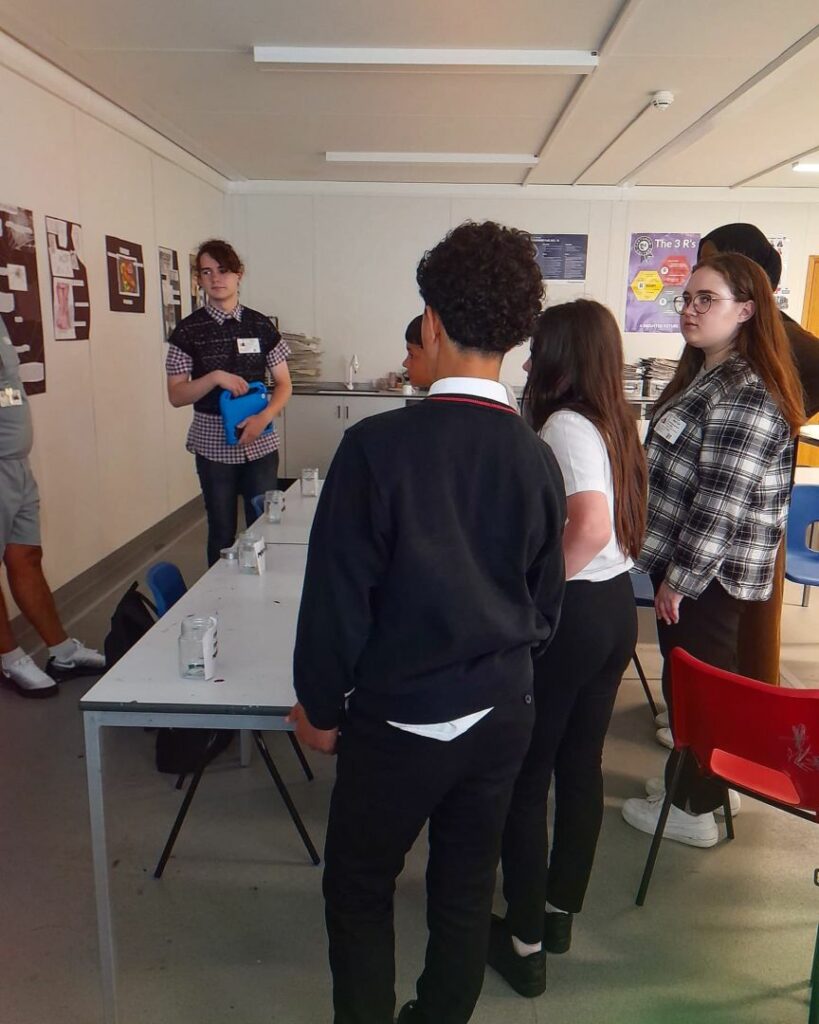
The most recent addition to the programme focuses on antisemitism awareness and challenging hate, helping young people understand how stereotypes and conspiracy narratives develop and empowering them to recognise and challenge antisemitic language and behaviour in a safe and informed way.
The work which is funded by Gwent OPCC’s office, The Moondance and Waterloo Foundations covers the whole of South Wales and Gwent Police Force areas. In the last year the team has engaged over 147 high risk individuals in one-on-one programmes. A further 224 young boys in group work sessions and over 1900 boys and girls in schools with Misogyny bystander training.
For further information on the Positive Masculinity initiative or any of Media Academy Cymru’s work please contact info@mediaacademycymru.wales.